
AI Search Trends & Opportunities — Exploring AI SEO and the Future of Search Technology
AI Search Trends & Opportunities — Exploring AI SEO and the Future of Search Technology
By Erik Remmel, Life Improvement Media
AI is changing how search works and how your business approaches search engine optimization (SEO). As AI shapes how people search and how search engines rank content, you need to understand current trends and find practical ways to stay visible online. This article explains how AI features like understanding meaning and voice search are changing SEO practices. It also gives straightforward advice on using AI to improve your search results.
Adjusting to these changes isn’t simple. You need clear strategies that address the extra challenges AI brings to your content, search rankings, and reputation. We’ll look at how machine learning affects content structure, the growing role of E-E-A-T (Experience, Expertise, Authoritativeness, Trustworthiness), and practical AI tools that help your business get found and trusted.
You’ll also want to rethink how you manage content, workflows, and measurement. That means defining who owns your content, showing author credentials clearly, and linking SEO results to your business goals like sales or appointments. Having a steady process for publishing, checking, and measuring content helps you avoid risks and learn faster as search systems change.
Measurement is different with AI-driven search. Instead of just watching keyword rankings, combine visibility scores, page engagement data, and outcomes like leads or bookings. This mix helps you focus on work that meets what your customers want and supports your business.
Key Takeaways
- AI helps better understand what users really want so you can provide matching content.
- AI-powered engines like ChatGPT-style systems need natural language and context, not just keywords.
- Voice and semantic search create a need for conversational and context-aware content strategies.
- Machine learning improves content structure and supports E-E-A-T signals that build trust.
- Tools like visibility scans, schema markups, and content monitoring can boost your SEO and response time.
- Local SEO gets more personalized with AI, delivering location-based results when you optimize local content and engagement.
- Semantic search lets engines understand context and intent to give better results.
- Continuous AI-powered tracking helps you adapt SEO strategies as algorithms and user behavior shift.
- By 2026, search will focus on personalization, natural language understanding, and context-driven experiences.
AI Search Engine Optimization (SEO) is changing fast
AI is shifting SEO from just keywords to understanding user intent more deeply. New ways of optimizing for AI-driven search mean you need to rethink your content so it works well with AI-first search tools. This change challenges keyword-focused methods and requires you to understand how modern search engines rank and show content.
New AI tools give better insights into user behavior that were hard to get before. Optimizing for AI systems, which include large language models and newer search engines, is key to staying visible. As AI shapes ranking factors, businesses that learn what AI looks for in content will do better in the long run.
In practice, label your pages by what users want to do—learn, buy, or find a place. This helps you focus your content and SEO on giving clear, helpful answers or guiding customers toward action. With intent clear, your content and technical SEO become much easier to target.
AI-Driven Search Engines
Search engines now use AI to understand language and summarize information. Chatbots and conversational agents have changed what users expect from answers, so your content must be clear, relevant, and helpful to rank well in these AI-powered platforms.
Because of this, invest in ways to make your content easy for machines to read and know the context. Optimizing for AI search means understanding what users ask, explaining your content clearly, and organizing it so AI can show it correctly.
Good AI-friendly content explains its topic clearly, uses consistent words, and includes headings, lists, and markup that highlight key facts. Adding images, short videos, or charts with descriptive text can also help your content get chosen for summarized answers.
Future Search Technologies and Trends (2026)

Looking ahead to 2026, some changes will reshape search. Businesses that get ready for these will keep or improve their online visibility.
Privacy-friendly methods, on-device AI models, and better results syncing across devices will affect how search personalizes results. Plan a privacy-first approach that still lets you personalize experiences without breaking trust or rules.
Voice Search
Voice search is growing with devices like Siri and Alexa. To succeed, content should sound natural, be short, conversational, and focus on common questions. Optimizing for voice helps your business get found, especially for local or quick searches.
Give short, clear answers near the top of your pages, with more details further down to handle follow-up questions. Creating FAQ sections helps voice assistants pick answers easily.
Semantic Search
Semantic search focuses on meaning and context, not just matching exact keywords. Search engines connect related ideas to find better results. You should build deeper topics with clear structure and context signals to fit this style.
Create topic clusters with main pages and supporting pages that link together. Use well-known names and consistent wording so search engines can link your pages to the right topics.
How AI and Machine Learning Impact Your SEO Strategy
AI and machine learning turn big data into clear insights. They help you tailor your content to what your customers want and predict the best content types for your audience.
AI also helps you test ideas quickly, like different headlines or descriptions. You can try changes, measure results, and focus on what works best. Small improvements build up to bigger wins over time.
Better Content Structure
Good structure matters more now. Using structured data and clear markup tells search engines what your content means. That boosts indexing and can lead to richer search snippets, which attract more clicks.
Clear headings, short paragraphs, and summary leads make pages easier to read and understand for both people and AI. Linking related pages boosts your authority and helps rankings across your site.
E-E-A-T: Experience, Expertise, Authority, Trustworthiness
E-E-A-T is still key for trust and better rankings. Quality content that shows real expertise and clear sources will do better.
To build this, share detailed author info, link to trustworthy sources, and keep editorial standards clear. Check your content regularly and fix anything outdated to keep your credibility strong.
Reputation Management
In an AI-first world, reputation matters more. Knowing how reviews and mentions affect your ranking helps you respond quickly and keep a good online image.
Use AI tools to watch your reputation constantly. Fix problems fast and highlight positive feedback. Set a clear process for handling issues to keep everything on track.
Useful AI-Driven SEO Tools
There are many AI tools that help you spot SEO opportunities and improve your content. Pick tools that work well with your existing reporting and let you share results easily with your team. Tools that only show problems without helping fix them slow you down.
Visibility Scans
These scans check where your site shows up in search results and find gaps. They help you focus on the most important fixes to get more traffic.
Doing scans regularly helps you spot changes fast and keep your content fresh.
Good scans show what queries you rank for and where competitors outrank you. Use the results to make a clear priority list with the effort and impact for each fix.
Schema Markup
Schema markup describes your page content so search engines can show richer listings. Mark up key items like products, events, or FAQs to help users find important details without extra clicks.
Start with the most valuable schema types and measure their effect. Keep your markup correct and test it with schema tools.
Content Monitoring
Monitoring shows how users interact with your pages in near real time. Data like how long people stay, how far they scroll, and if they convert tells you what’s working and what needs change.
Combining monitoring with alerts for sudden drops helps you fix problems fast. Tagging pages by campaign or topic helps see trends across your business.
AI’s Effect on Local SEO and Semantic Search
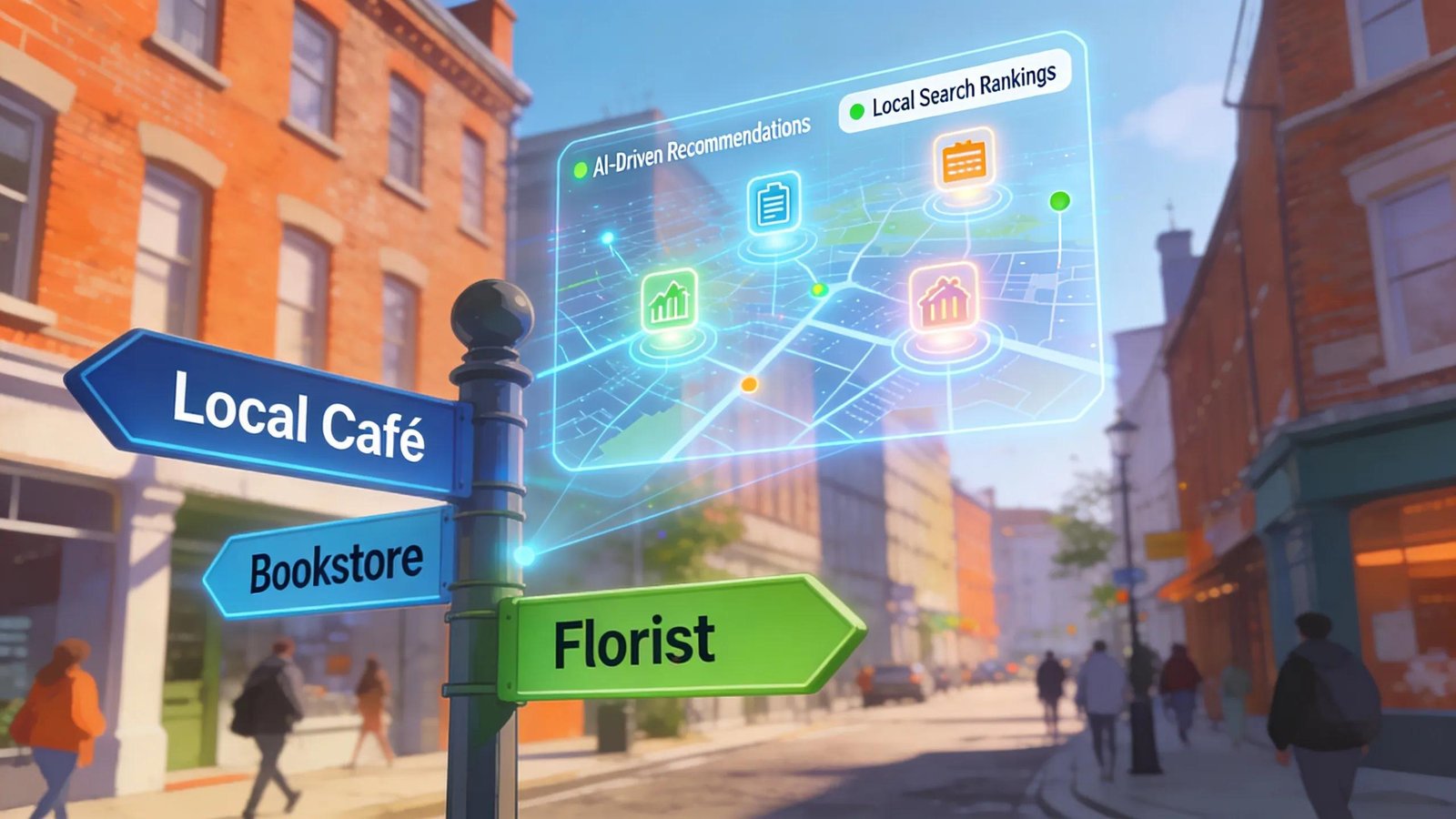
AI is making local and semantic search more precise, giving better results for users in specific places and contexts. Knowing this helps your business find local customers more effectively.
For local businesses, combining your website signals with citations and community engagement builds a strong local presence. AI can show where demand grows by neighborhood, but basic local SEO like correct listings still matters most.
Local SEO
Local SEO gets better with AI-driven personalization that matches results to a user’s location and intent. Keep your business details up to date, use local language, and engage your community online to stay prominent in local searches.
Create location pages for neighborhoods, publish local events, and ensure your name, address, and phone number are consistent across directories. These help search engines connect your site to local queries.
Semantic Search
Semantic search understands natural language queries and meaning, so content that covers topics fully and clearly does better. Organize your content around topics and questions, and link related pages to boost relevance.
Make content briefs listing related ideas, questions, and trusted sources. Use them to cover each topic well and connect pages through clear links.
In summary
AI-powered search gives your business new ways to reach customers. By improving your content’s structure, showing expertise clearly, and using AI monitoring, you can boost visibility and offer more helpful experiences. Moving away from just keywords to focusing on user intent will help you rank better in coming years.
Next steps: review your top pages to make sure they answer questions clearly, add schema where helpful, and set up regular monitoring that ties SEO success to your business results.
Frequently Asked Questions
What strategies should businesses adopt for effective AI SEO practices?
Create high-quality, clear content that directly answers customer questions. Use structured data to explain your pages to search engines, and apply AI tools to track how users behave and find content priorities. Keep reviewing results and adjust based on real user feedback.
Also, align your SEO goals with your products and customer service so changes support real business outcomes. Treat SEO as part of the whole customer experience, not a separate task.
How important is voice search optimization in current SEO strategies?
Voice search is growing, especially for local and quick questions. Optimize by using natural, conversational language, answering common questions clearly, and structuring pages so voice assistants can pull short answers easily.
FAQs are helpful here, offering straightforward answers near the top of your pages for better chances to be read aloud.
What role does E-E-A-T play in SEO success?
E-E-A-T is vital for gaining trust from both users and search engines. Show off your experience, expertise, and authority by sharing author details, citing reliable sources, and being transparent about your content.
Keep author info visible, link to trusted sources, and have clear review steps to prove your content quality.
How can local businesses enhance their presence using AI technologies?
Keep your business listings accurate, encourage and respond to reviews, and publish relevant local content. AI tools can show local search trends so you can tailor your marketing to nearby customer needs.
Use localized schema and pages that answer community-specific questions to help AI systems match your content to local searches.
What metrics should be monitored to assess AI SEO performance?
Watch your organic traffic, user engagement like time spent on pages and bounce rates, conversions, and rankings for key searches. Combine these with user feedback to get a full picture of how you’re doing.
Segment data by content type and user intent to see which pages help your business most and where to focus more effort.
What are the challenges faced in adopting AI technologies for SEO?
Challenges include the initial cost, fitting AI tools into your current workflow, and keeping up with frequent changes in search algorithms. Success comes from learning new skills, testing changes little by little, and staying open to new tools.
Another challenge is keeping your unique voice and accuracy when using automation; combining AI with human review and clear guidelines helps maintain quality.
How do visibility scans aid in enhancing SEO strategies?
Visibility scans check your website’s presence in search results, find gaps compared to your competition, and help you prioritize fixes that matter most. They give you a focused plan to improve your SEO with real impact.
Use scans regularly to keep your SEO healthy and combine them with experiments that measure results against your business goals.
Conclusion
AI is changing search and offering new ways to help customers find you. By improving your content structure, showing your expertise, and using real-time monitoring, you can create content that meets customer needs and keeps up with search changes. Start small, measure often, and keep adjusting. Over time, focusing on clear, trustworthy content and structured data will help your business get found more and more as search engines reward helpful pages.
Get your free Local Visibility Report
Want to see how your local business performs in search? Life Improvement Media offers a free Local Visibility Report to help you spot opportunities and improve your online presence.