Track Your Progress: Local SEO Reporting Tools in Tampa
Mastering Local SEO Reporting: Track and Improve Your Performance
By Ernie Bilodeau — Life Improvement Media
In today’s fast-moving digital landscape, local SEO reporting is a practical must for small businesses that want more visibility and steady foot traffic. Local SEO reporting means collecting and interpreting the data behind your local search presence so you can turn insights into action. These reports help owners spot opportunities, measure progress, and tweak tactics to stay competitive. Below, we break down what local SEO reporting and KPI dashboards are, why they matter, how rank-tracking tools help, and which KPIs deserve your attention.
Key Takeaways
- Local SEO reporting reveals how your business performs in local search and highlights opportunities to improve visibility.
- Rank-tracking tools show real-time keyword positions inside specific service areas, so you know where you stand.
- Track local pack impressions, click-through rates, and conversion rates to measure impact.
- SEO dashboards gather metrics in one place, making analysis faster and decisions timelier.
- Adding Google Business Profile insights gives your dashboard context on customer actions and audience traits.
- Automated reports and alerts save time and reduce manual errors in monitoring performance.
- Citation tracking keeps your business information consistent across directories, which supports better local rankings.
- New trends include AI-driven predictive analytics and unified, multi-platform dashboards for broader insights.
- Regularly reviewing reports turns data into smarter marketing choices and sustained local organic growth.
What Is Local SEO Reporting and Why Does It Matter for Small Businesses?
Local SEO reporting is the routine of gathering, analyzing, and interpreting the numbers that show how your business appears in local search. For small businesses that rely on nearby customers, these reports offer essential visibility into search presence, customer actions, and competitive dynamics. With clear reporting, you can spot trends and make targeted improvements.
When you use those insights to shape your strategy—like focusing on the keywords that drive visits—you can compete more effectively against bigger brands and adapt to algorithm changes. That intelligence often translates directly into more meaningful traffic and customer interactions.
How Does Local Rank Tracking Software Help Your Business Stand Out?
Local rank-tracking software is a practical tool for monitoring how your site and listings rank for location-specific keywords. These platforms provide timely, localized rankings so you can adjust SEO tactics where they matter most. Targeting locally relevant phrases typically drives more qualified visits and local inquiries.
Beyond rankings, these tools reveal patterns over time and benchmark performance against competitors. That context helps you make decisions based on data, not guesswork, and shape a clearer local identity.
Which Key Performance Indicators Should You Monitor Locally?
Keeping an eye on the right KPIs tells you whether your local SEO work is paying off. Key local metrics include:
- Local Pack Impressions: How often your business appears in map pack results and local listings.
- Click-Through Rate (CTR): The share of searchers who click through to your site or listing after seeing you in results.
- Conversion Rates: How often visits turn into calls, direction requests, bookings, or sales.
Monitoring these consistently allows you to prioritize changes that produce real results.
How Can You Use a SEO Performance Metrics Dashboard to Simplify Analytics?
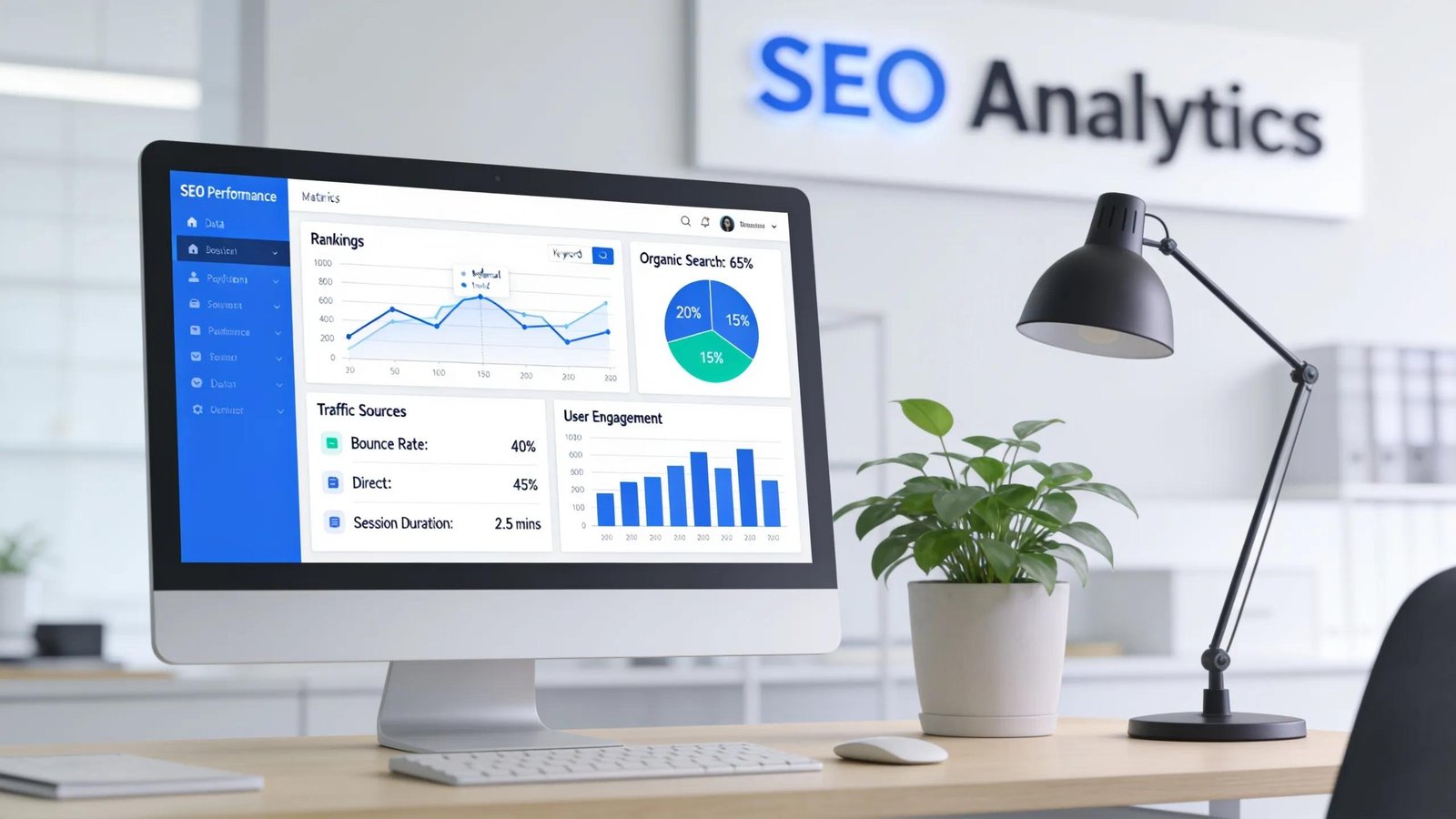
An SEO performance dashboard pulls your key metrics into one clear, easy-to-scan view so you spend less time hunting for data and more time acting on it. Good dashboards surface rankings, traffic sources, and engagement signals, letting you see performance at a glance and drill into details when needed.
When well designed, a dashboard is intuitive enough for non‑technical users to quickly find insights. As local SEO grows more complex, a consolidated view gives small business teams a real competitive edge.
What Types of SEO Metrics Are Most Valuable for Local Businesses?
Choosing the right metrics helps you accurately measure local SEO health. The most useful include:
- Keyword Rankings: Track visibility for the specific, location-targeted terms your customers use.
- Traffic Sources: See whether visits come from organic search, maps, referrals, or social channels.
- User Behavior Metrics: Metrics like bounce rate and session duration reveal how well your site engages visitors.
Together, these show where you’re strong and where to invest effort for improvement.
How Does Integration of Google My Business Insights Enhance Your Dashboard?
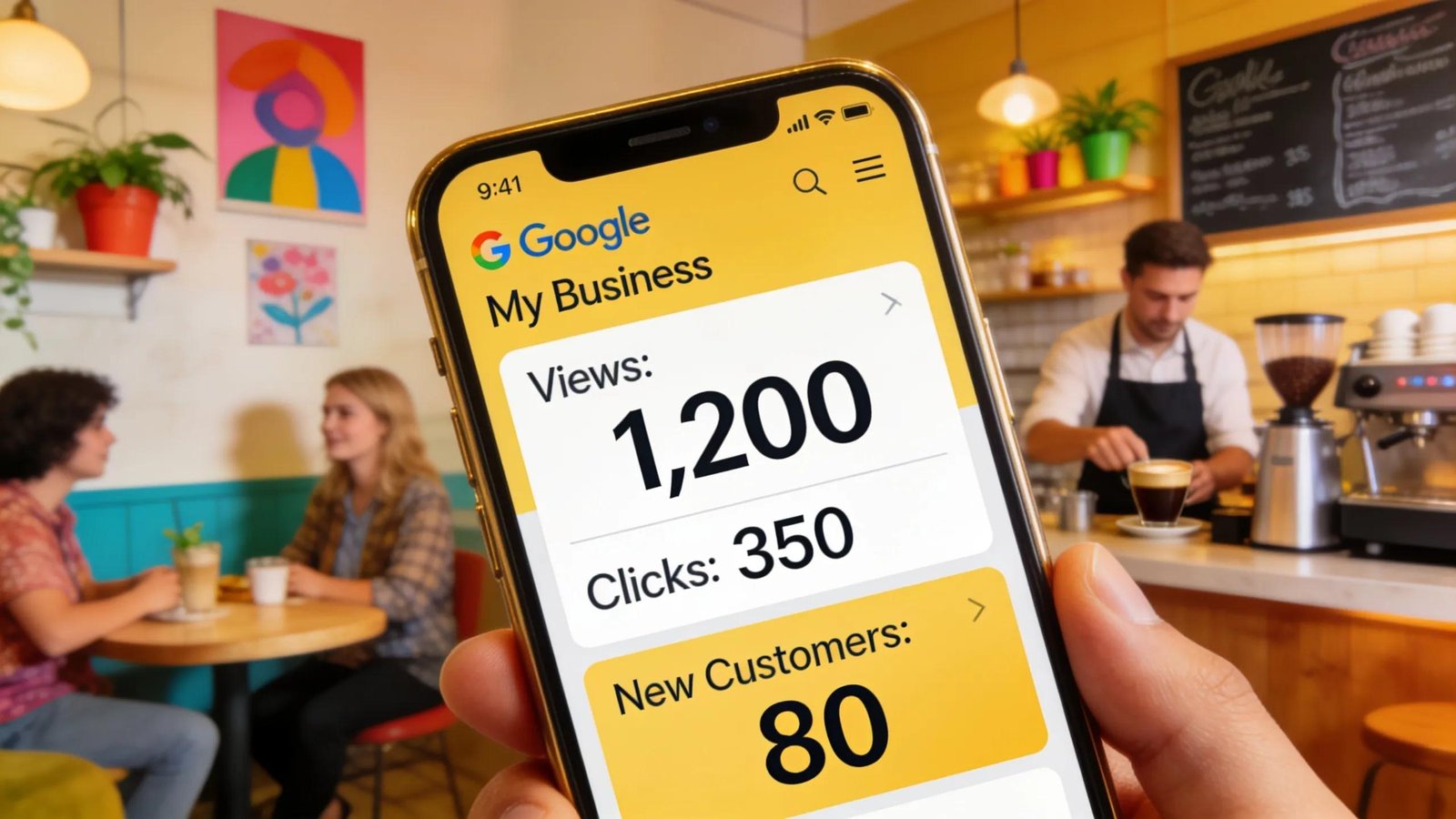
Bringing Google Business Profile (formerly GMB) data into your dashboard adds a crucial layer: how customers discover and interact with your profile. GMB data shows queries that led to your listing, what actions users take (calls, directions, website visits), and demographic snapshots. Merging that with web metrics gives a fuller picture of local performance.
An optimized Google Business Profile remains one of the highest-return local SEO assets, so treating it as a central dashboard data source is a smart practice.
Google Business Profile: The Highest-Leverage Asset for Local SEO
1. A Google Business Profile is the single highest-leverage asset a local business can own in 2026. It determines whether you appear in the map pack, “near me” results, AI Overviews’ local panel, and the Knowledge Panel on branded searches. I’ve audited 80+ local profiles over the past 18 months—from solo dentists to 40-location franchises—and optimized profiles typically see roughly 4–7x more calls, direction requests, and website clicks than neglected profiles. Same business, same address, same product. Different profile hygiene.
Google Business Profile for Local SEO: 2026 Optimization Playbook, 2026
That kind of insight helps you focus improvements where they matter most—profile completeness, accurate categories, photos, and review responses—to drive real visibility gains.
What Are the Best SEO Reporting Tools for Local Businesses in 2026?
Several reporting tools stand out for local businesses because they combine robust features with approachable interfaces. The best options make it easy to monitor ranking changes, surface trends, and generate reports you can share with stakeholders.
Which Features Should You Look for in Small Business SEO Analytics Software?
When choosing analytics software, prioritize features that deliver actionable value:
- User-Friendly Interface: A clean layout helps teams quickly find the right metrics.
- Real-Time Data: Fresh data lets you react to changes sooner.
- Custom Reporting: Tailored reports keep focus on the metrics that matter most to your business.
Picking tools with these capabilities makes your local SEO efforts more efficient and measurable.
How Do Automated Reporting and Alerts Save Time and Boost Accuracy?
Automated reports and alerts push critical changes to you—rank drops, traffic shifts, or listing issues—so you don’t have to check dashboards constantly. This automation reduces manual errors and frees time for strategy and fixes.
With alerts in place, small teams can respond quickly to problems or seize sudden opportunities without getting bogged down in data collection.
How Do You Monitor and Manage Local SEO KPIs Effectively?
Effective KPI management starts with a repeatable process: choose the right KPIs, set benchmarks, track them consistently, and review results on a scheduled cadence. Use tools to centralize data, schedule review meetings, and assign clear owners for follow-up actions.
When teams treat reporting as a routine—rather than an afterthought—they spot trends earlier and sustain improvement momentum.
What Role Does Citation Tracking Play in Local SEO Success?
Citation tracking makes sure your business name, address, and phone number are accurate and consistent across directories. Search engines favor consistent information, so keeping citations accurate improves the reliability of local rankings.
Regular citation audits prevent mismatches that confuse customers and harm visibility.
How Can Real-Time Dashboards Help You React Quickly to SEO Changes?
Real-time dashboards show you performance in real time, so you can detect dips or spikes immediately and take fast, informed action. That speed is especially valuable during promotions, seasonal shifts, or when competitors make moves.
Being able to pivot quickly—based on live signals—helps you protect traffic and capitalize on timely opportunities.
How Do You Interpret Local SEO Reports to Make Informed Marketing Decisions?
Interpreting local SEO reports means converting data into clear next steps. Focus on trends, not isolated numbers: rising impressions with falling CTR suggests a need for better listings; improved rankings with low conversions may point to on-site experience issues.
Actionable interpretation aligns reporting with business goals—such as more calls, foot traffic, or online bookings—and guides budget and strategy decisions.
Local Optimization for Retailers: Increasing Organic Traffic and Conversions
The research presented aims to demonstrate the value of local optimization for retailers to boost organic traffic; provide practical recommendations for improving a retailer’s presence in Google as part of an effective marketing strategy; and develop a representative data micro‑marking model (example: a Ukrainian retailer) that supports stronger Local Pack placement versus competitors, increasing organic traffic and conversions.
Business optimization in the digital age: Insights and recommendations, A Natorina, 2020
Key takeaways—like steady growth in local organic traffic or volatile ranking positions—should directly influence marketing priorities. Use those signals to double down on what works and fix what doesn’t.
Which Metrics Best Indicate Growth in Local Organic Traffic?
Signs that local organic traffic is growing include:
- Increase in Website Visits: More unique visitors means better visibility and interest in your offerings.
- Longer Session Durations: Users spending more time on the site suggests your content is relevant and useful.
- Improved Conversion Rates: More bookings, calls, or purchases from organic visits signal that traffic is targeted and valuable.
Track these over time to confirm sustainable growth.
How Do Ranking Improvements Reflect ROI for Your Local SEO Efforts?
Higher rankings usually lead to more traffic and conversions, which directly translate to revenue. Measuring ranking changes alongside conversion and revenue data helps you quantify ROI and make smarter budget choices.
Set clear benchmarks and measure regularly so you can attribute gains to specific SEO actions and investments.
What Are Emerging Trends in Local SEO Reporting and KPI Dashboards?
Local SEO reporting continues to evolve. Watch for new capabilities that can sharpen your strategy and reporting.
How Is AI Revolutionizing Local Search Analytics and Predictive Reporting?
AI is helping analysts move beyond hindsight by spotting patterns and forecasting outcomes. Machine learning models can surface trends humans might miss and predict where rankings or traffic are likely to head—letting you act proactively.
As these systems learn from more data, they refine their recommendations, making predictive reporting an increasingly valuable tool.
What Advantages Do Multi-Platform Integrated Dashboards Offer Local Businesses?
Dashboards that pull together data from search, maps, social, and review platforms give a fuller view of performance. Integrated views cut reporting time, reduce data gaps, and make cross-channel trends easier to spot.
Using a unified dashboard simplifies decision-making and helps teams coordinate efforts across channels.
Frequently Asked Questions
What are some common challenges small businesses face with local SEO?
Small businesses often face heavier competition from larger brands, inconsistent or few online reviews, and the need to keep up with shifting search algorithms. Limited technical SEO knowledge can also slow progress. Addressing these issues requires focused local tactics and ongoing attention.
How often should businesses review their local SEO performance?
Monthly reviews are a solid baseline to ensure strategies are working. When launching new campaigns or making major changes, check performance weekly or biweekly to see early signals and adjust quickly.
How can social media impact local SEO efforts?
Social channels increase local awareness and engagement, which can drive traffic and strengthen online visibility. While social signals aren’t direct ranking factors, the additional exposure and referral traffic they generate can support broader SEO goals.
What role do customer reviews play in local SEO?
Customer reviews are a major trust signal for both users and search engines. Positive, recent reviews improve credibility and can lift click-through rates. Encouraging satisfied customers to leave feedback is one of the highest-impact local SEO actions you can take.
Are there specific local SEO strategies for different industries?
Yes—industries need tailored approaches. Restaurants benefit from menu and review-focused optimizations and visibility on platforms like Yelp; retailers should emphasize product listings and local inventory signals; service businesses should highlight local service keywords and customer testimonials. Industry-focused tweaks make your efforts more effective.
How can mobile optimization affect local search rankings?
Mobile optimization is critical because many local searches occur on mobile devices. Fast, responsive pages and a smooth mobile experience improve engagement metrics that search engines consider, so mobile-friendly sites tend to rank better locally.
What tools can help in monitoring local SEO performance?
Tools like Google Analytics and Search Console provide baseline web and keyword insights. Specialized rank-tracking and competitor tools, citation managers, and review platforms round out a local toolkit for continuous monitoring and improvement.
Conclusion
Using local SEO reporting and KPI dashboards well can lift a small business’s visibility and customer engagement. By tracking metrics such as local pack impressions and conversions, you can identify clear opportunities to improve and measure progress relative to competitors. Ready to take the next step? Explore our suite of tools built for small businesses and discover how we can help your business thrive in today’s local search landscape in Tampa, Florida.