Transform Your Revenue: Insights from a Local SEO Case Study
Ernie Bilodeau, Life Improvement Media
Local SEO reliably drives measurable revenue for small businesses, especially in competitive U.S. markets. This case study lays out the tactics that boost visibility, the metrics that prove impact, and the practical fixes that stop searchers from dropping off before they book. Inside you’ll find clear examples, performance signals, and step-by-step actions you can apply to lift bookings across the country.
Key Takeaways
- Targeted local SEO increases booked revenue by improving local search visibility and drawing in nearby customers across the United States.
- Consistent, accurate local citations and a fully optimized Google My Business profile strengthen credibility and rankings.
- Collecting and managing reviews regularly builds trust and increases conversion rates.
- Combining keyword optimization with geographic signals makes listings match local search intent more closely.
- Track conversion rate, organic traffic, and customer acquisition cost to quantify SEO’s effect on booked revenue.
- Structured data (Schema) helps search engines interpret your business and can lift local click-through rates.
- Adjust tactics based on performance data to remain competitive as regional markets shift.
- Small businesses can outmaneuver larger rivals by owning niche searches and engaging their local communities.
- Tools like Moz Local, Ahrefs, and Google Analytics make local SEO monitoring practical and actionable.
- Studying top U.S. local SEO performers reveals strategic tweaks that improve SERP positioning nationwide.
What Local SEO Strategies Drive Booked Revenue Growth Across the USA?
Several local SEO techniques consistently raise booked revenue by making businesses easier to find and more appealing to nearby customers. The most effective approach blends location-aware keyword targeting with robust local listings so search engines — and people — connect local intent with your services. That relevance increases clicks and, importantly, bookings.
Which tactics improve local search rankings for small businesses nationwide?

Small businesses can lift local search performance by focusing on a few high-impact areas, no matter the location:
- Local Citations: Ensure your name, address, and phone number (NAP) are consistent and verified across authoritative directories and platforms, matching the format used by top competitors.
- Customer Reviews: Promptly encourage genuine reviews and respond to them; study competitor review patterns and aim to outpace them in both quality and frequency.
- Google My Business Optimization: Complete your profile with accurate details, regular posts, helpful Q&A, quality photos, and adopt new GMB features as they appear.
- Competitor Keyword Analysis: Use tools like Ahrefs to uncover competitor keyword gaps and target untapped local search phrases specific to your city or region.
- Mobile Optimization: Prioritize fast, mobile-first experiences that meet or exceed competitors’ mobile performance.
- Localized Content Creation: Produce content tied to local events, news, and community topics that mirrors what top-ranking local businesses publish.
Applied consistently, these tactics raise your local presence, increase relevance, and make bookings more likely across diverse U.S. markets.
How do keyword optimization and geographic targeting work together nationally?
Keyword research finds the phrases potential customers use; geographic targeting adds the local context they include (for example, “best pizza in Chicago” or “plumber near Seattle”). Combining both aligns pages and listings with local intent, so you appear for searches that include location modifiers—bringing in more qualified traffic and more bookings.
This pairing also helps you tailor landing pages and content to match real local search behavior, improving relevance, engagement, and conversion rates. Competitive SERP analysis shows neighborhood, city, and regional keywords often deliver meaningful advantages across U.S. areas.
How Does SEO Impact Booked Revenue: Metrics and Examples From Across the USA?
Measuring the impact on booked revenue requires tracking both traffic and conversions. The right mix of metrics shows whether SEO is attracting the right customers and turning them into booked clients, regardless of city or state.
What booked revenue metrics best measure SEO success nationally?
Key metrics to monitor include:
- Conversion Rate: The percentage of visitors who book or request service—this ties traffic directly to revenue and shows engagement quality.
- Customer Acquisition Cost (CAC): How much you spend to acquire a customer through organic and local efforts; compare this to local competitors to refine budgets.
- Organic Traffic: Visitor volume from search—growth here signals improved visibility and effective local SEO.
- Click-Through Rate (CTR): Monitor SERP CTR; use structured data and compelling meta copy to outperform competitors.
Together, these metrics reveal how SEO affects booked revenue and where to focus improvements in your local market.
Can you see real revenue growth examples from local SEO case studies across the U.S.?

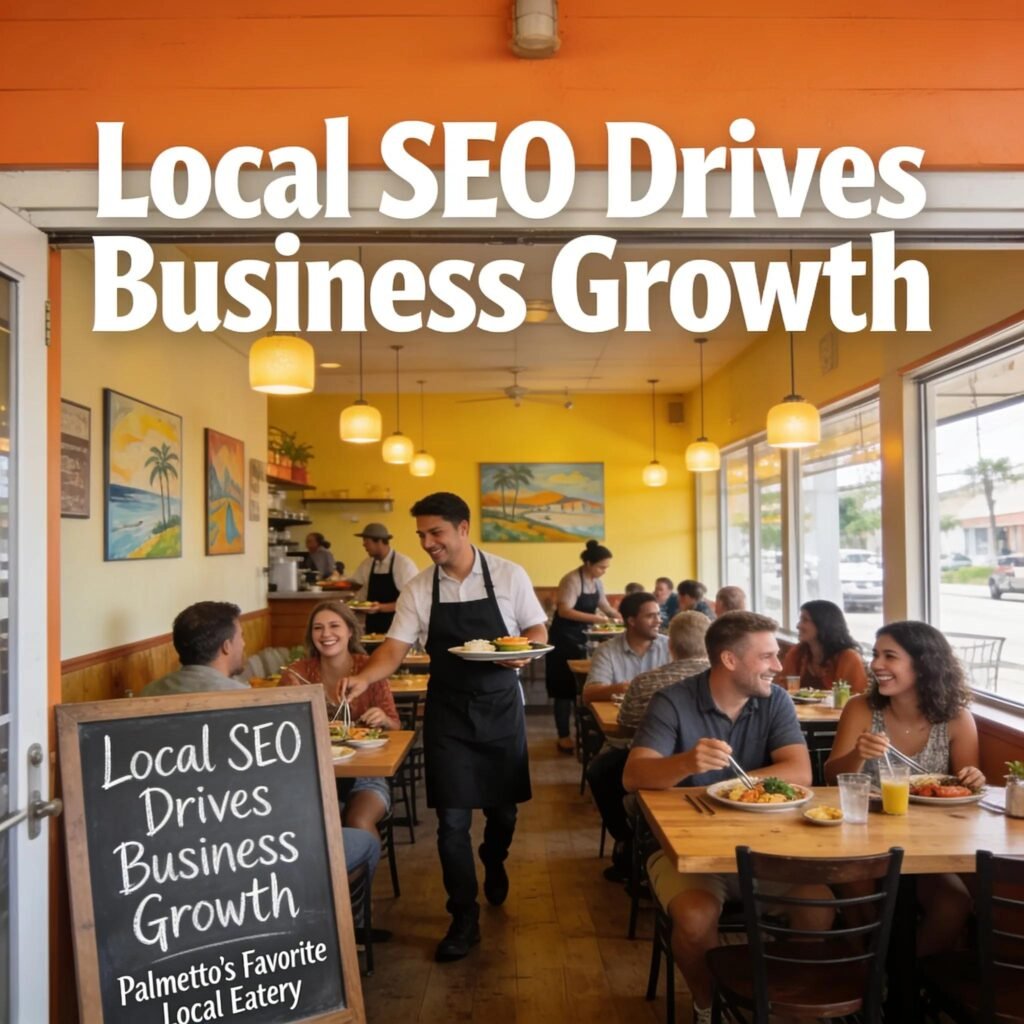
Yes. For example, a local restaurant increased bookings by 45% in six months after a focused local SEO program—optimizing their Google My Business listing, adding structured data, actively soliciting and managing reviews, and applying competitive keyword tactics. Case studies like this show how targeted local work converts directly into measurable revenue across different U.S. markets.
What Methodology Was Used in This Local SEO Case Study?
A clear methodology keeps results credible and repeatable. A structured approach to data collection and comparison shows what moved the needle and why.
How was data collected and analyzed for booked revenue insights nationwide?
We combined web analytics, CRM booking records, and customer feedback. Google Analytics tracked traffic with enhanced local attribution, booking systems recorded conversions, and reviews supplied qualitative context. Monthly competitive benchmarking with Moz Local and Ahrefs, aligned tactics with top local performers across multiple U.S. regions. Comparing pre- and post-implementation periods helped isolate the effect of local SEO changes.
Why is a structured case study important for understanding SEO results?
Structured case studies document assumptions, KPIs, and outcomes so other businesses can replicate or adapt successful tactics. They clarify which actions made a difference and guide continuous improvement, turning one-off wins into repeatable strategies. Competitor analysis adds context and highlights where to invest next.
What Role Does the U.S. Market Play in Local SEO Success?
Local market dynamics determine which SEO moves will work best. Understanding your area’s competition, search behavior, and community habits lets you tailor tactics that resonate locally and convert.
How does local competition affect SEO ranking and bookings in different U.S. cities?
In crowded markets, broad keywords are harder to win. Narrowing focus to niches, service differentiators, neighborhood-level queries, and unique selling points makes it easier to stand out and secure bookings despite strong competition.
Which U.S.-specific SEO opportunities help boost revenue?
Local partnerships, event listings, and community-centered content increase exposure. Targeting neighborhood phrases and event-driven searches captures customers looking for timely, local solutions. Monitoring competitor local content with tools can uncover additional opportunities tailored to your city or region.
Which SEO Tools and Tracking Techniques Help Monitor Booked Revenue Across the USA?
The right tools organize data and highlight where to act. Combining rank trackers, backlink tools, analytics platforms, and review monitoring gives a full picture of local performance.
What tools track local search ranking and booking conversions?
Common tools include:
- Moz Local: Manage listings, monitor local presence, and compare against competitors.
- Ahrefs: Deep keyword and backlink insights plus competitive visibility analysis.
- Google Analytics: Track site behavior, conversion funnels tied to bookings, and audience demographics.
- Google Search Console: Monitor search performance, indexing issues, and opportunities to improve local keyword rankings.
- ReviewTrackers or Similar: Aggregate and analyze customer reviews across platforms and benchmark against competitors.
Together, these tools let you link local rankings to booking outcomes and maintain an edge in changing local markets nationwide.
How can structured data markup improve SEO and revenue insights?
Structured data (Schema) communicates business details—ratings, location, hours, and services—to search engines, which can lead to richer listings, featured snippets, and higher click-through rates. Those enhanced results often translate into more qualified bookings. Watching competitor use of Schema helps prioritize where to add markup.
What Are Key Recommendations to Maximize Booked Revenue With Local SEO?
To grow booked revenue, focus on actions that improve visibility and conversion, then measure and refine continuously.
Which actionable steps help small businesses across the USA increase bookings?
- Optimize Google My Business: Keep details complete and up to date; use posts, photos, Q&A, and new features to show activity and relevance.
- Encourage and Manage Reviews: Ask customers for reviews, respond promptly, and set up systems to maintain a steady review volume.
- Use Local Keywords: Add geographically relevant phrases to site copy, landing pages, titles, and metadata to capture local intent and niche searches.
- Analyze and Monitor Competitors: Regularly review competitors’ keywords, content, and profiles to identify gaps and adapt.
- Implement Structured Data: Add Schema for business details, products, services, and reviews to enhance search listings and insights.
- Ensure Mobile and Site Performance: Maintain fast, mobile-optimized pages that meet or exceed competitor user experience.
These focused steps, aligned with top U.S. local SEO competitors, drive more relevant traffic and increase booked revenue over time.
How should businesses adapt SEO strategies based on ongoing results?
Review performance regularly and run competitor gap analyses. Use targeted A/B tests on headlines, landing pages, and keyword targeting. Let evolving data and SERP trends set priorities so you invest in tactics that steadily improve bookings and rankings.
Different local SEO approaches deliver value through distinct mechanisms. An integrated competitive-intelligence approach strengthens your position in search and in the minds of local customers.
Focused, consistent local SEO work that incorporates competitive intelligence helps businesses convert search interest into confirmed bookings by leveraging the local signals customers and search engines use. Benchmarking against top competitors keeps your efforts aligned with market leaders.
This perspective aligns with broader research on how digital transformation—web analytics, SEO, and competitor analysis—shapes SME growth trajectories.
Digital Transformation: Web Analytics, SEO, and SME Growth
The digital shift has changed marketing, creating both opportunity and complexity for small and medium-sized businesses. This study examines how web analytics and SEO, combined with competitor insights, influence SME growth and shows that data-driven digital strategies materially affect business outcomes.
Digital transformation in marketing: evaluating the impact of web analytics and SEO on SME growth, AJ Mou, 2022
Frequently Asked Questions
What are the common mistakes businesses make in local SEO?
Typical mistakes include inconsistent NAP listings, ignoring mobile users, and failing to respond to reviews. Skipping local keyword research, competitor analysis, or failing to use Google My Business fully also limits visibility—each oversight reduces the chance of converting local searches into bookings.
How often should businesses update their local SEO strategies?
Review your local SEO at least quarterly or whenever market conditions or competitors change. Monitor metrics and rankings to spot shifts in search behavior and adjust for seasonality or local events that affect demand.
What impact do online reviews have on local SEO?
Reviews influence rankings and buyer trust. Positive feedback improves visibility and click-through rates, while active review management signals credibility to search engines and customers. Tracking competitor review volume and quality provides useful benchmarks.
Are there costs associated with implementing local SEO strategies?
Yes. Costs can include software subscriptions, site updates, professional services, and competitive analysis tools. Many tactics can be handled in-house, but investing in expertise and advanced tools often accelerates results and improves ROI.
How can small businesses compete against larger companies in local SEO?
Small businesses win by specializing—targeting niche queries, offering personalized service, and engaging the local community. Local partnerships and event visibility create advantages larger companies often miss, especially when guided by competitor monitoring.
What role does social media play in local SEO efforts?
Social media builds local awareness and can increase visits and engagement. Sharing local content and promotions indirectly supports SEO by amplifying reach, encouraging engagement, and strengthening local signals.
Is it necessary for businesses to have a website for local SEO?
A website isn’t strictly required, but it’s highly valuable. A well-optimized site centralizes information, supports keyword targeting, and helps convert visitors into bookings—making local SEO efforts more effective.
Conclusion
Effective local SEO delivers measurable growth in booked revenue for small businesses across U.S. markets. By improving local visibility, managing reviews, leveraging competitor insights, and using location-specific keywords, businesses can raise conversions and outpace competitors. Measure performance, iterate on what works, monitor market trends, and apply the practical steps above to turn local searchers into loyal customers.
Get Started with Local SEO Today
Ready to boost local visibility and convert more searches into bookings? Explore our library of practical local SEO resources, guides, and tools designed to help businesses succeed across the USA. Local SEO Case Study: Turning Local Visibility into Booked Revenue