
Enhance Your Local SEO with AI Geo Citations in Tampa
Digital marketing keeps evolving, and more businesses in Tampa are discovering how much geo optimization matters for local search. For service-based companies, targeting the right neighborhoods and towns in Tampa can make the difference between being found and being overlooked. This guide walks through practical GEO optimization tactics for Tampa service areas—so you can sharpen local targeting, use AI to keep citations clean, and reach the customers you serve.
Local businesses in Tampa often struggle to get seen by nearby customers. The good news: solid geo optimization techniques improve visibility, engagement, and conversions. Below, we cover Service Area SEO essentials—geo-targeting, AI-driven citation workflows, LocalBusiness schema, and forward-looking best practices — so you can stay competitive in Tampa in 2024 and beyond.
Key Takeaways
- Service Area SEO optimizes your online presence for specific geographic zones in Tampa to improve local search rankings.
- Clear Tampa service-area maps and accurate location data boost local relevance and visibility.
- Geo-targeting tools—such as GIS and customer location analysis—help you strategically define Tampa service boundaries.
- Geo-tagging embeds Tampa location data into content, strengthening search engines’ ties between your business and place.
- AI-driven citation management keeps your Tampa listings consistent and accurate across directories.
- Adding the LocalBusiness schema with ServiceArea and GeoShape clarifies your Tampa coverage for search engines.
- Location-focused content and voice-search optimization improve local engagement and search performance in Tampa.
- Track Tampa local rankings, traffic, and conversions to measure and refine your service-area SEO.
- Geo-targeting challenges—like data accuracy—require a mix of automation and manual checks tailored to Tampa.
What Is Service Area SEO and Why Does It Matter for Your Local Business in Tampa?
Service Area SEO covers the tactics you use to make your Tampa business visible in the places you serve around the Tampa area. If your customers find you locally—whether by searching on mobile or asking a voice assistant—you win more qualified leads. Mapping your Tampa service area precisely helps search engines match you to relevant local queries and drives traffic that actually converts.
Getting Tampa service areas right affects both discovery and conversion. Structured data, clear geo-targeting, and consistent listings help search engines index and present your Tampa business to nearby customers. The next section explains how Tampa service-area signals influence local rankings.
How Do Tampa Service Areas Impact Local Search Rankings?
Tampa service areas directly affect local search performance because search engines heavily weigh proximity and relevance. Businesses that clearly define where they operate in Tampa are easier for search engines to match to local queries. Important ranking signals include:
- Local Relevance: Search engines judge how well your Tampa business matches a user’s local intent.
- Accurate Mapping: Clear geographic boundaries around Tampa help search engines understand where your services are offered and prevent mismatches.
- Local Algorithms: Local ranking systems favor businesses with solid local signals—reviews, citations, and optimized place pages in Tampa.
When you optimize service areas thoughtfully for Tampa, you make it more likely that nearby Tampa customers will find—and choose—your business.
What Are the Key Benefits of Optimizing Your Tampa Service Area?
Focusing your SEO on the right Tampa service areas delivers tangible results:
- Increased Visibility: Targeted optimization boosts your ranking for local Tampa searches, so customers can find you faster.
- Higher Conversion Rates: Serving the right Tampa audience means more leads become customers.
- Enhanced Customer Targeting: Defining who you serve in Tampa lets you tailor messaging, offers, and pages to local needs.
These benefits show why a strategic approach to Tampa service-area SEO is a smart investment for sustained local growth.
Which Geo Targeting Strategies Work Best for Tampa Local Business Service Areas?
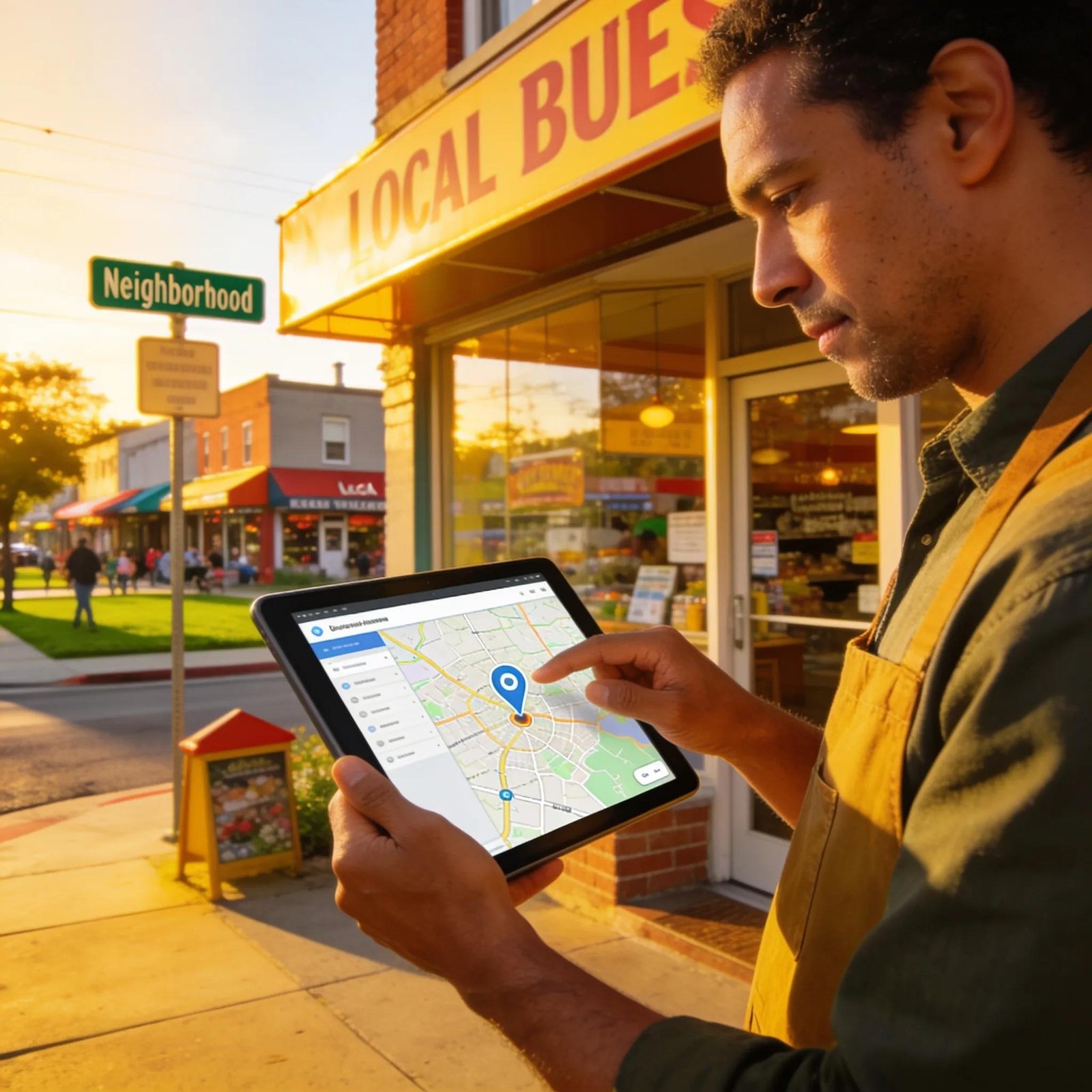
Right geo-targeting brings qualified, nearby Tampa visitors to your site. The most effective strategies don’t guess—they use data and tools to define where your Tampa customers actually are. Here are the approaches that deliver results.
How Can You Define and Map Your Tampa Service Area Effectively?
Mapping your Tampa service area means drawing the real lines around where you work in Tampa. Try these practical methods:
- Utilizing GIS Tools: Geographic Information Systems let you visualize Tampa service coverage, competitor locations, and demographic data to draw precise boundaries.
- Customer Data Analysis: Look at where your existing Tampa customers live and how they behave—this informs where you should focus marketing and routing.
- Local Search Adaptation: Update your Tampa maps based on local search trends and seasonal shifts so your coverage reflects local Tampa demand.
These tactics help you build a Tampa service map that matches market reality and improves local search performance.
What Role Does Geo Tagging Play in Location-Based SEO in Tampa?
Geo-tagging adds location metadata to your Tampa content so search engines and platforms can better connect it to a place. That extra context improves local relevance and can boost visibility.
- Definition of Geo Tagging: Geo-tagging means embedding coordinates or place names—such as Tampa—into content—images, posts, and pages—so systems know where the content belongs geographically.
- SEO Benefits: Proper geo tags signal your physical relevance to Tampa search engines, helping you appear for nearby queries.
- Successful Implementations: Tampa businesses often geo-tag social posts, photos, and local landing pages to strengthen local signals and drive neighborhood engagement.
Thoughtful geo-tagging tightens the link between your Tampa content and your service area.
How Does AI-Powered Citation Management Enhance Local SEO for Tampa Service Areas?

AI citation tools remove a lot of the manual grunt work from Tampa local listings. They scan directories, find mismatches, and push corrections—so your Tampa name, address, and phone number stay consistent across the web. That reliability helps search engines trust your Tampa business and improves local rankings.
What Are AI Local Citations and How Do They Improve Accuracy for Tampa?
AI local citations use automation and machine learning to detect and fix listing errors, ensuring your Tampa business info is accurate everywhere it appears.
- Definition of AI Citations: These systems crawl Tampa directories, identify discrepancies, and either suggest or push updates so your listings stay aligned.
- Benefits for Tampa Local Businesses: Consistent listings lead to better local search performance and fewer missed leads from incorrect contact details.
- Comparison with Traditional Methods: Compared with manual updates, AI-driven citation management is faster, more scalable, and less error-prone.
Using AI for Tampa citations reduces maintenance overhead and improves the signal you send to search engines and customers.
Which Tools Can Automate Your Tampa Citation Building and Management?
This comparison highlights the different strengths of popular citation tools so you can pick the one that fits your Tampa scale and workflows.
How Can Implementing Local Business Schema Improve Your Visibility in the Tampa Service Area?
Adding the LocalBusiness schema helps search engines understand the nuts and bolts of where and how you operate in Tampa. Structured data provides clear signals about your Tampa service area, offerings, and contact details—often leading to richer Tampa search results and higher click-through rates.
What Is the ServiceArea Property and How Do You Use GeoShape Markup for Tampa?
The ServiceArea property lets you define the Tampa regions you cover, while GeoShape markup represents those areas precisely with shapes or polygons.
- Definition of ServiceArea Property: This schema field documents the geographic scope where your Tampa business provides services.
- Steps to Implement GeoShape Markup: Add GeoShape coordinates or polygons to your schema in the site code so search engines can map your actual Tampa coverage.
- Benefits for Search Engines: Structured ServiceArea and GeoShape data help search engines return your Tampa business more accurately for location-specific queries.
Schema markup is a technical step that pays off in clearer Tampa search results and better visibility.
How Does Schema.org Markup Help Google Understand Your Tampa Location Coverage?
Schema.org markup provides context that helps search engines associate your Tampa business with the places you serve, which can improve how and when you appear in Tampa results.
- Benefits of Schema Markup: Proper schema can lead to rich snippets and clearer Tampa listings, which often increase clicks.
- How It Influences Search Results: Well-structured location data helps match users’ queries to your Tampa business when they search for services in your area.
- Best Practices for Implementation: Follow Schema.org guidance, keep Tampa data up to date, and validate your markup to ensure search engines interpret it correctly.
Investing in schema helps search engines—and Tampa customers—understand where you operate and what you offer.
What are the best practices for Tampa Service Area SEO in 2024 and Beyond?
SEO keeps changing, but the fundamentals remain: provide accurate information about Tampa, serve local intent, and measure results. Combine human insight with automation to stay adaptable and visible in Tampa.
How Important Is Location-Specific Content and Voice Search Adaptation for Tampa?
Local Tampa content and voice-search readiness are increasingly important as more people search on mobile and via assistants.
- Importance of Localized Content: Pages and posts tailored to Tampa neighborhoods or cities boost relevance and engagement.
- Voice Search Trends: Voice queries tend to be conversational—optimizing for natural language helps you capture that Tampa traffic.
- Strategies for Integration: Use local Tampa phrases, FAQs, and conversational copy to match how people in Tampa actually ask for services.
Focusing on local content and voice-friendly language helps you capture nearby Tampa searchers more effectively.
What Metrics Should You Track to Measure Tampa Service Area SEO Success?
Track metrics that show local traction in Tampa and business outcomes.
- Key Performance Indicators: Monitor Tampa local search rankings, Tampa local referral traffic, and conversion rates from your targeted Tampa pages.
- Tools for Tracking Metrics: Use Google Analytics, Search Console, and local Tampa SEO platforms to gather actionable insights.
- Adjusting Strategies Based on Data: Use regular reporting to refine Tampa service boundaries, content, and listings for better results.
Consistent tracking lets you iterate and improve Tampa performance where it matters most.
Frequently Asked Questions
How Can Tampa Local Businesses Use Social Media for Geo Optimization?
Social channels are great for Tampa geo optimization. Post Tampa location-tagged updates, run locally targeted ads, and encourage check-ins and reviews. Share Tampa neighborhood-focused content and engage with nearby Tampa customers to build local reach and trust.
What Are The Challenges of implementing Tampa geo-targeting?
Challenges include keeping Tampa data accurate, interpreting local demographics, and avoiding over-reliance on automation. Regular audits, Tampa customer data checks, and a human review process help prevent errors and keep targeting effective.
Can Reviews Impact My Tampa Service Area SEO?
Absolutely. Reviews are strong Tampa local signals: they boost credibility, influence rankings, and provide insight into Tampa customer location and intent. Encourage satisfied Tampa customers to leave reviews on key platforms to boost your local visibility in Tampa.
What Role Does Mobile Optimization Play in Tampa Local SEO?
Mobile optimization is essential—many local searches in Tampa happen on the go. Fast, easy-to-navigate pages and clear Tampa contact info (hours, directions, call buttons) improve user experience and search performance.
How Do Tampa Local Keywords Differ from General Keywords?
Tampa local keywords include place-based terms (like “plumber in Tampa,” “Tampa Bay services,” or “Tampa local experts”) and reflect Tampa local intent, while general keywords are broader. Targeting Tampa local keywords drives more relevant traffic and higher conversion potential in your Tampa service area.
What Tools Can Help Analyze Tampa Service Area Performance?
Tools like Google Analytics, Search Console, Moz Local, BrightLocal, and Tampa social analytics platforms provide data on traffic, rankings, and audience behavior in Tampa. Use a mix of these to get a full picture of Tampa service-area performance.
Conclusion
Smart geo-optimization makes your Tampa business easier to find for the people who matter most—local Tampa customers. Use precise Tampa mapping, structured data, AI citation tools, and location-targeted content to build trust with Tampa search engines and the Tampa community. Start with small, measurable steps in Tampa and iterate based on real data to grow your local presence and conversions in Tampa. Explore our resources to keep improving your local SEO strategy in Tampa.Geo-Optimization Tactics for Service Areas: Boost Local SEO with Smart Geo-Targeting and AI Citations in Tampa
Digital marketing keeps evolving, and more businesses in Tampa are discovering how much geo optimization matters for local search. For service-based companies, targeting the right neighborhoods and towns in Tampa can make the difference between being found and being overlooked. This guide walks through practical GEO optimization tactics for Tampa service areas—so you can sharpen local targeting, use AI to keep citations clean, and reach the customers you serve.
Local businesses in Tampa often struggle to get seen by nearby customers. The good news: solid geo optimization techniques improve visibility, engagement, and conversions. Below we cover Service Area SEO essentials—geo targeting, AI-driven citation workflows, LocalBusiness schema, and forward-looking best practices so you can stay competitive in Tampa in 2024 and beyond.
Key Takeaways
- Service Area SEO optimizes your online presence for specific geographic zones in Tampa to improve local search rankings.
- Clear Tampa service-area maps and accurate location data boost local relevance and visibility.
- Geo-targeting tools—like GIS and customer-location analysis—help you define Tampa service boundaries strategically.
- Geo-tagging embeds Tampa location data into content, strengthening search engines’ ties between your business and place.
- AI-driven citation management keeps your Tampa listings consistent and accurate across directories.
- Adding LocalBusiness schema with ServiceArea and GeoShape clarifies your Tampa coverage for search engines.
- Location-focused content and voice-search optimization improve local engagement and search performance in Tampa.
- Track Tampa local rankings, traffic, and conversions to measure and refine your service-area SEO.
- Geo-targeting challenges—like data accuracy—require a mix of automation and manual checks tailored to Tampa.
What Is Service Area SEO and Why Does It Matter for Your Local Business in Tampa?
Service Area SEO covers the tactics you use to make your Tampa business visible in the places you serve around the Tampa area. If your customers find you locally—whether by searching on mobile or asking a voice assistant—you win more qualified leads. Mapping your Tampa service area precisely helps search engines match you to relevant local queries and drives traffic that actually converts.
Getting Tampa service areas right affects both discovery and conversion. Structured data, clear geo-targeting, and consistent listings help search engines index and present your Tampa business to nearby customers. The next section explains how Tampa service-area signals influence local rankings.
How Do Tampa Service Areas Impact Local Search Rankings?
Tampa service areas have a direct effect on local search performance because search engines weigh proximity and relevance heavily. Businesses that clearly define where they operate in Tampa are easier for search engines to match to local queries. Important ranking signals include:
- Local Relevance: Search engines judge how well your Tampa business matches a user’s local intent.
- Accurate Mapping: Clear geographic boundaries around Tampa help search engines understand where your services are offered and prevent mismatches.
- Local Algorithms: Local ranking systems favor businesses with solid local signals—reviews, citations, and optimized place pages in Tampa.
When you optimize service areas thoughtfully for Tampa, you make it more likely that nearby Tampa customers will find—and choose—your business.
What Are the Key Benefits of Optimizing Your Tampa Service Area?
Focusing your SEO on the right Tampa service areas delivers tangible results:
- Increased Visibility: Targeted optimization raises your rank for Tampa local searches, so customers can find you faster.
- Higher Conversion Rates: Serving the right Tampa audience means more leads that turn into customers.
- Enhanced Customer Targeting: Defining who you serve in Tampa lets you tailor messaging, offers, and pages to local needs.
These benefits show why a strategic approach to Tampa service-area SEO is a smart investment for sustained local growth.
Which Geo Targeting Strategies Work Best for Tampa Local Business Service Areas?
Right geo-targeting brings qualified, nearby Tampa visitors to your site. The most effective strategies don’t guess—they use data and tools to define where your Tampa customers actually are. Here are the approaches that deliver results.
How Can You Define and Map Your Tampa Service Area Effectively?
Mapping your Tampa service area means drawing the real lines around where you work in Tampa. Try these practical methods:
- Utilizing GIS Tools: Geographic Information Systems let you visualize Tampa service coverage, competitor locations, and demographic data to draw precise boundaries.
- Customer Data Analysis: Look at where your existing Tampa customers live and how they behave—this informs where you should focus marketing and routing.
- Local Search Adaptation: Update your Tampa maps based on local search trends and seasonal shifts so your coverage reflects local Tampa demand.
These tactics help you build a Tampa service map that matches market reality and improves local search performance.
What Role Does Geo Tagging Play in Location-Based SEO in Tampa?
Geo-tagging adds location metadata to your Tampa content so search engines and platforms better connect it to place. That extra context improves local relevance and can boost visibility.
- Definition of Geo Tagging: Geo-tagging means embedding coordinates or place names—such as Tampa—into content—images, posts, and pages—so systems know where the content belongs geographically.
- SEO Benefits: Proper geo tags signal your physical relevance to Tampa search engines, helping you appear for nearby queries.
- Successful Implementations: Tampa businesses often geo-tag social posts, photos, and local landing pages to strengthen local signals and drive neighborhood engagement.
Thoughtful geo-tagging tightens the link between your Tampa content and your service area.
How Does AI-Powered Citation Management Enhance Local SEO for Tampa Service Areas?
AI citation tools remove a lot of the manual grunt work from Tampa local listings. They scan directories, find mismatches, and push corrections—so your Tampa name, address, and phone number stay consistent across the web. That reliability helps search engines trust your Tampa business and improves local rankings.
What Are AI Local Citations and How Do They Improve Accuracy for Tampa?
AI local citations use automation and machine learning to detect and fix listing errors, ensuring your Tampa business info is accurate everywhere it appears.
- Definition of AI Citations: These systems crawl Tampa directories, identify discrepancies, and either suggest or push updates so your listings stay aligned.
- Benefits for Tampa Local Businesses: Consistent listings lead to better local search performance and fewer missed leads from incorrect contact details.
- Comparison with Traditional Methods: Compared with manual updates, AI-driven citation management is faster, more scalable, and less error-prone.
Using AI for Tampa citations reduces maintenance overhead and improves the signal you send to search engines and customers.
Which Tools Can Automate Citation Building and Management?
Various tools and platforms offer automation for citation building and management, helping businesses maintain consistent and accurate listings across multiple directories. When choosing a tool, consider your business size, coverage area, and desired features such as automated audits, real-time updates, and multi-location management. Employing these tools effectively can streamline your local SEO efforts and improve your online presence.
How Can Implementing LocalBusiness Schema Improve Your Tampa Service Area Visibility?
Adding LocalBusiness schema helps search engines understand the nuts and bolts of where and how you operate in Tampa. Structured data gives clear signals about your Tampa service area, offerings, and contact details—often leading to richer Tampa search results and higher click-throughs.
What Is the ServiceArea Property and How Do You Use GeoShape Markup for Tampa?
The ServiceArea property lets you define the Tampa regions you cover, while GeoShape markup represents those areas precisely with shapes or polygons.
- Definition of ServiceArea Property: This schema field documents the geographic scope where your Tampa business provides services.
- Steps to Implement GeoShape Markup: Add GeoShape coordinates or polygons to your schema in the site code so search engines can map your actual Tampa coverage.
- Benefits for Search Engines: Structured ServiceArea and GeoShape data help search engines return your Tampa business for location-specific queries more accurately.
Schema markup is a technical step that pays off in clearer Tampa search results and better visibility.
How Does Schema.org Markup Help Google Understand Your Tampa Location Coverage?
Schema.org markup provides context that helps search engines associate your Tampa business with the places you serve, which can improve how and when you appear in Tampa results.
- Benefits of Schema Markup: Proper schema can lead to rich snippets and clearer Tampa listings, which often increase clicks.
- How It Influences Search Results: Well-structured location data helps match queries to your Tampa business when users search for services in your Tampa area.
- Best Practices for Implementation: Follow Schema.org guidance, keep Tampa data current, and validate your markup to ensure search engines read it correctly.
Investing in schema helps search engines—and Tampa customers—understand where you operate and what you offer.
What Are Best Practices for Tampa Service Area SEO in 2024 and Beyond?
SEO keeps changing, but the fundamentals remain: provide accurate Tampa information, serve local intent, and measure results. Combine human insight with automation to stay adaptable and visible in Tampa.
How Important Is Location-Specific Content and Voice Search Adaptation for Tampa?
Local Tampa content and voice-search readiness are increasingly important as more people search on mobile and via assistants.
- Importance of Localized Content: Pages and posts tailored to Tampa neighborhoods or cities boost relevance and engagement.
- Voice Search Trends: Voice queries tend to be conversational—optimizing for natural language helps you capture that Tampa traffic.
- Strategies for Integration: Use Tampa local phrases, FAQs, and conversational copy to match how Tampa people actually ask for services.
Focusing on local content and voice-friendly language helps you capture nearby Tampa searchers more effectively.
What Metrics Should You Track to Measure Tampa Service Area SEO Success?
Track metrics that show Tampa local traction and business outcomes.
- Key Performance Indicators: Monitor Tampa local search rankings, Tampa local referral traffic, and conversion rates from your targeted Tampa pages.
- Tools for Tracking Metrics: Use Google Analytics, Search Console, and local Tampa SEO platforms to gather actionable insights.
- Adjusting Strategies Based on Data: Use regular reporting to refine Tampa service boundaries, content, and listings for better results.
Consistent tracking lets you iterate and improve Tampa performance where it matters most.
Frequently Asked Questions
How Can Tampa Local Businesses Use Social Media for Geo Optimization?
Social channels are great for Tampa geo optimization. Post Tampa location-tagged updates, run locally targeted ads, and encourage check-ins and reviews. Share Tampa neighborhood-focused content and engage with nearby Tampa customers to build local reach and trust.
What Are The Challenges of Implementing Tampa Geo Targeting?
Challenges include keeping Tampa data accurate, interpreting local demographics, and avoiding over-reliance on automation. Regular audits, Tampa customer data checks, and a human review process help prevent errors and keep targeting effective.
Can Reviews Impact My Tampa Service Area SEO?
Absolutely. Reviews are strong Tampa local signals: they boost credibility, influence rankings, and provide insight into Tampa customer location and intent. Encourage satisfied Tampa customers to leave reviews on key platforms to help your Tampa local visibility.
What Role Does Mobile Optimization Play in Tampa Local SEO?
Mobile optimization is essential—many Tampa local searches happen on the go. Fast, easy-to-navigate pages and clear Tampa contact info (hours, directions, call buttons) improve user experience and search performance.
How Do Tampa Local Keywords Differ from General Keywords?
Tampa local keywords include place-based terms (like “plumber in Tampa,” “Tampa Bay services,” or “Tampa local experts”) and reflect Tampa local intent, while general keywords are broader. Targeting Tampa local keywords drives more relevant traffic and higher conversion potential in your Tampa service area.
What Tools Can Help Analyze Tampa Service Area Performance?
Tools like Google Analytics, Search Console, Moz Local, BrightLocal, and Tampa social analytics platforms provide data on traffic, rankings, and Tampa audience behavior. Use a mix of these to get a full picture of Tampa service-area performance.
Conclusion
Smart geo optimization makes your Tampa business easier to find by the people who matter most—local Tampa customers. Use precise Tampa mapping, structured data, AI citation tools, and location-targeted content to build trust with Tampa search engines and the Tampa community. Start with small, measurable Tampa steps and iterate based on real data to grow your local presence and conversions in Tampa. Explore our resources to keep improving your Tampa local SEO strategy.Geo-Optimization Tactics for Service Areas: Boost Local SEO with Smart Geo-Targeting and AI Citations in Tampa